A Vital Service: Ingham’s Post and Telegraph Office
From 1871 onwards, postal and telegraph services provided a vital communication link between the Lower Herbert Valley and the rest of the world.
In 1874, the first telegraph line was erected by Henry Simmonds between Waterview and the Lower Herbert (later Ingham) at a cost of £900 (approximately $105,000).
A small timber building was constructed to house the service, opening shortly after the line was completed. From this point, communication via Morse code enabled news, commerce and banking to develop within the emerging settlement.
While businesses relied on the telegraph, residents depended on the postal service to receive news from family and friends.
Mail arrived weekly via coastal steamers, unloading at Dungeness and transported to Ingham by boat along the Herbert River.
An additional overland delivery service operated on horseback from Townsville. In 1882, the Lower Herbert Post Office was officially renamed the Ingham Post Office.
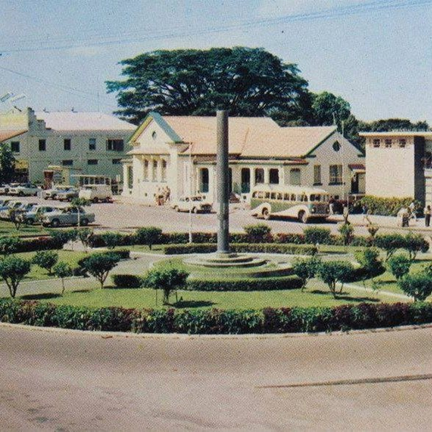
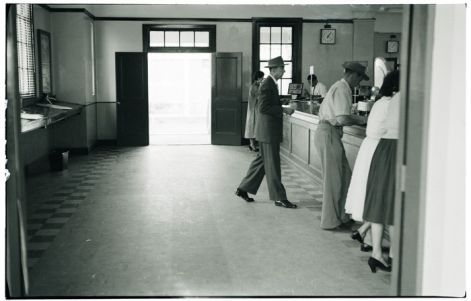
By 1900, a purpose-built Post and Telegraph Office replaced the original structure. Constructed by E. Corbett of Ingham for £1,175, the timber and iron building was designed in an L-shape, featuring a public counter and foyer, a mail sorting room, private postal boxes, and a battery room for telegraph operations.
Accommodation was also provided for staff, with living quarters attached to the building.
As the region grew, so did demand for services.
By 1923, major upgrades were undertaken, including expanding the sorting and exchange areas and installing additional postal boxes.
A Savings Bank was introduced, along with facilities for staff, including a linesman’s quarters.
In 1935, significant additions were made by the Commonwealth Department of the Interior, resulting in the masonry building still seen today.
This design reflected the standard style of many Queensland interwar post offices.
During the Second World War, the facility played an important role in national communications, with upgraded infrastructure and additional cable lines installed to maintain connections across North Queensland.
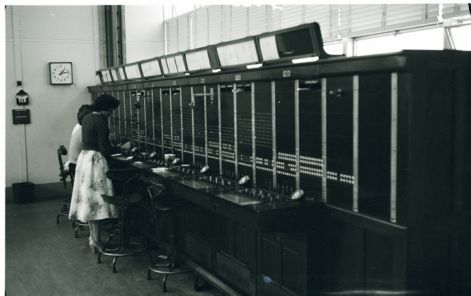
By the early 1950s, telephone services became increasingly common, supported by the installation of an automated exchange alongside the Post Office.
Operated by switchboard attendants, the system connected the community through a network of calls, bringing people closer together.
From its beginnings as a simple telegraph and mail facility, Ingham’s Post and Telegraph Office evolved into an essential service, adapting over time to keep people connected both near and far.
Images provided by the Ingham Family History Photographic Collection.
